Ongoing Projects
THE EFFECTS OF AFFORESTATION IN ARID LANDS ON THE DIVERSITY OF PLANTS, BIRDS, AND BUTTERFLIES AT DIFFERENT SPATIAL LEVELS
Funder: TÜBİTAK 1001 Program Period: 2024–2026 Role of the group: Project Manager
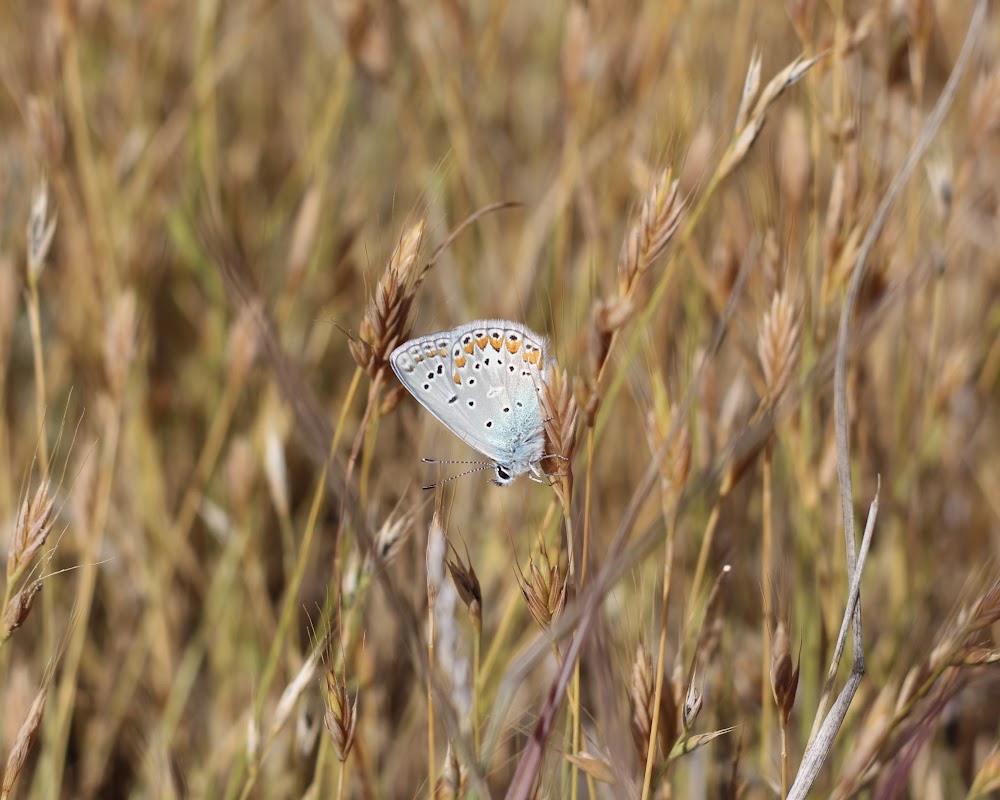
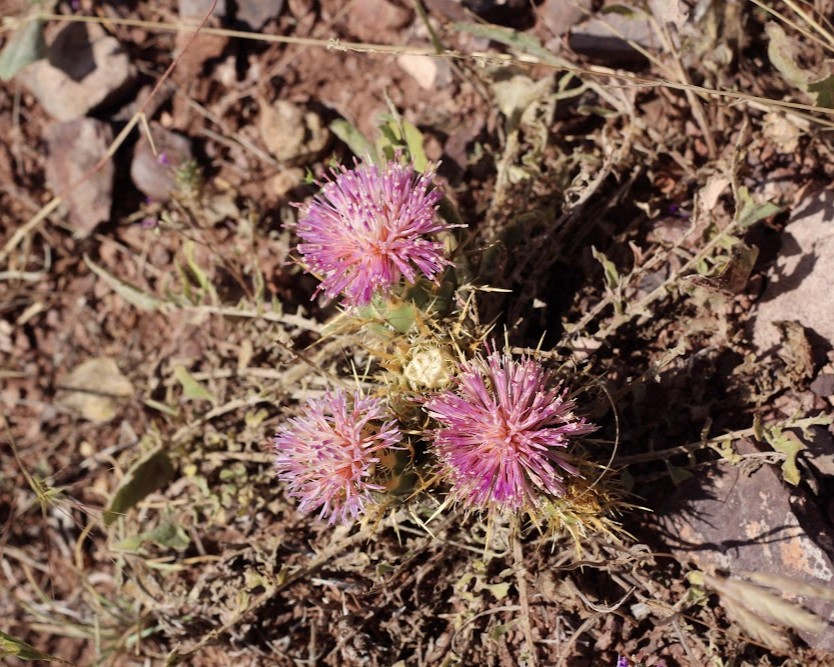
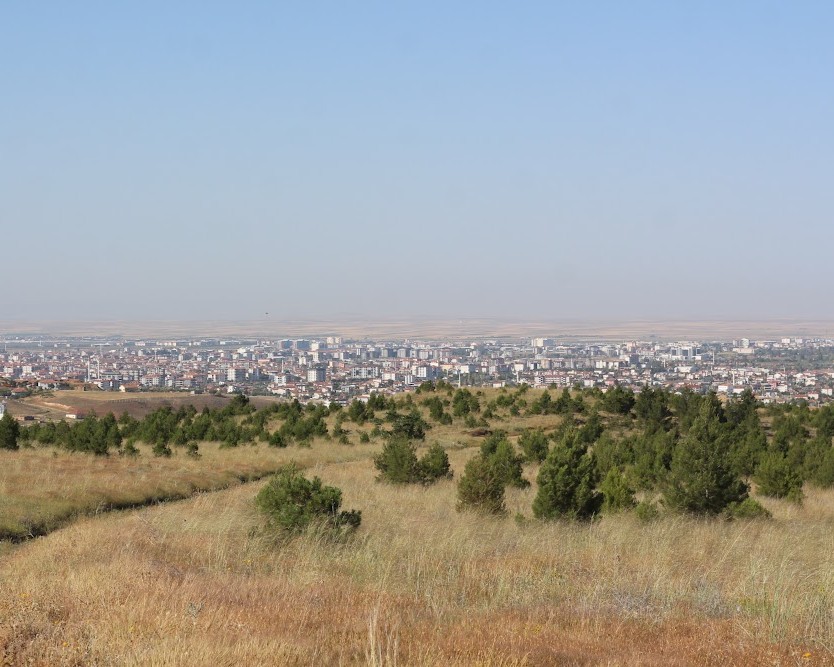
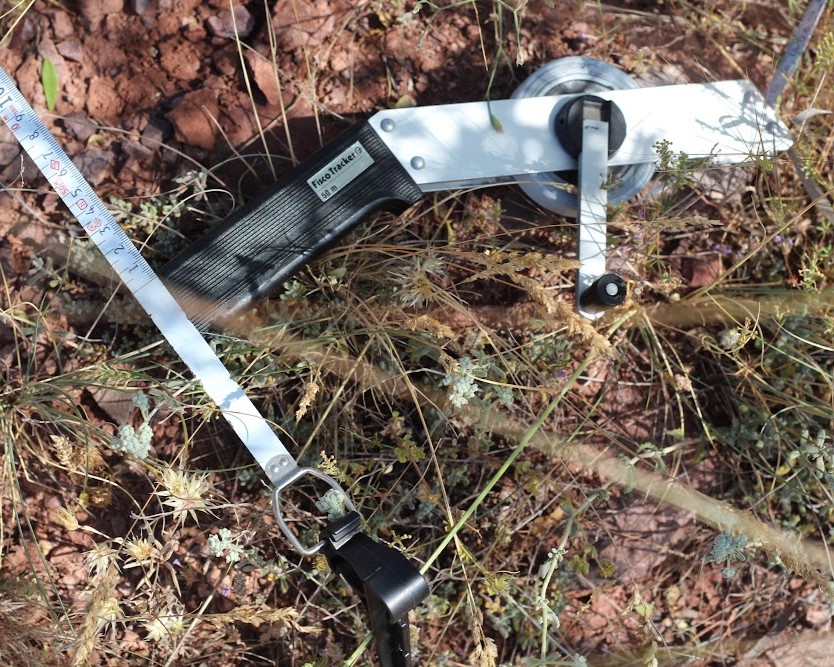
To mitigate the negative effects of erosion and climate change, afforestation is being carried out in arid lands worldwide. However, its effects on biodiversity have not been comprehensively assessed. This project aims to determine the effects of dryland afforestation on biodiversity, specifically on the taxonomic and functional diversity of plants, butterflies, and birds. We studied six sites in the Konya Closed Basin. In each, we surveyed afforested sites of different tree ages as well as non-afforested (control) sites. We also compiled information related to climate, soil, afforestation, and other land uses. The project team is composed of 10 researchers from the disciplines of soil ecology, forestry, and biodiversity. Currently, we are finalizing the analysis of the taxonomic and functional diversity of plants, butterflies, and birds, and conducting GLMM analyses to reveal the effects of afforestation age, canopy closure, and tree height on the biodiversity of steppe ecosystems. Find the complete summary here.
UNDERSTANDING AND MONITORING THE EFFECTS OF CLIMATE CHANGE ON TERRESTRIAL BIODIVERSITY IN MOUNTAIN AREAS WITH NEXT-GENERATION METHODS
Funder: TÜBİTAK 2247 Program Period: 2025–2028 Role: Project Manager
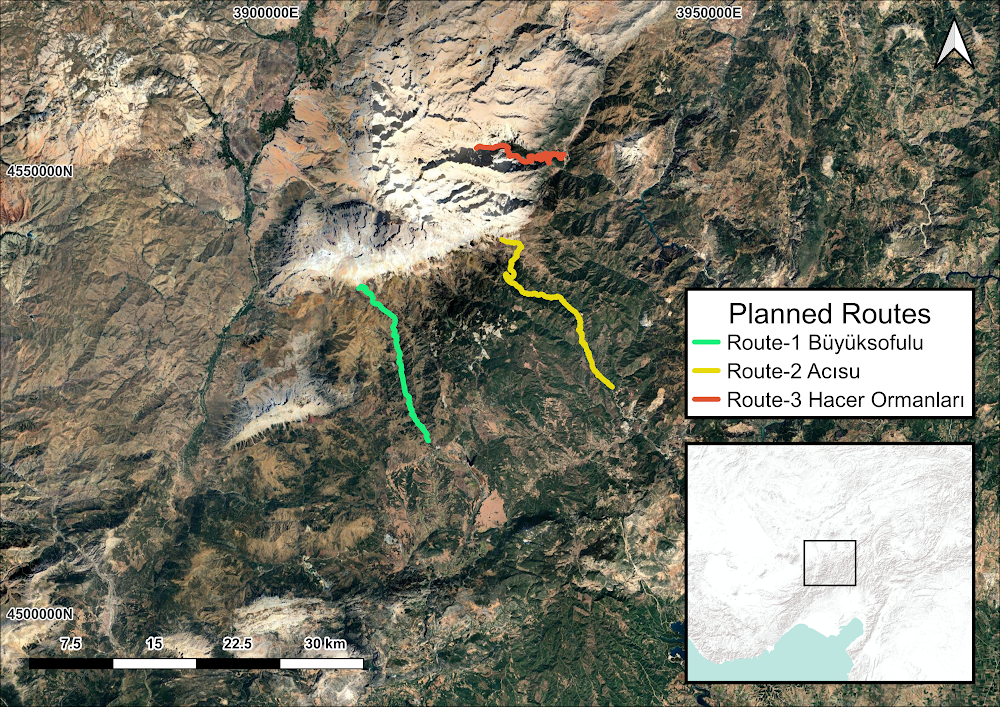
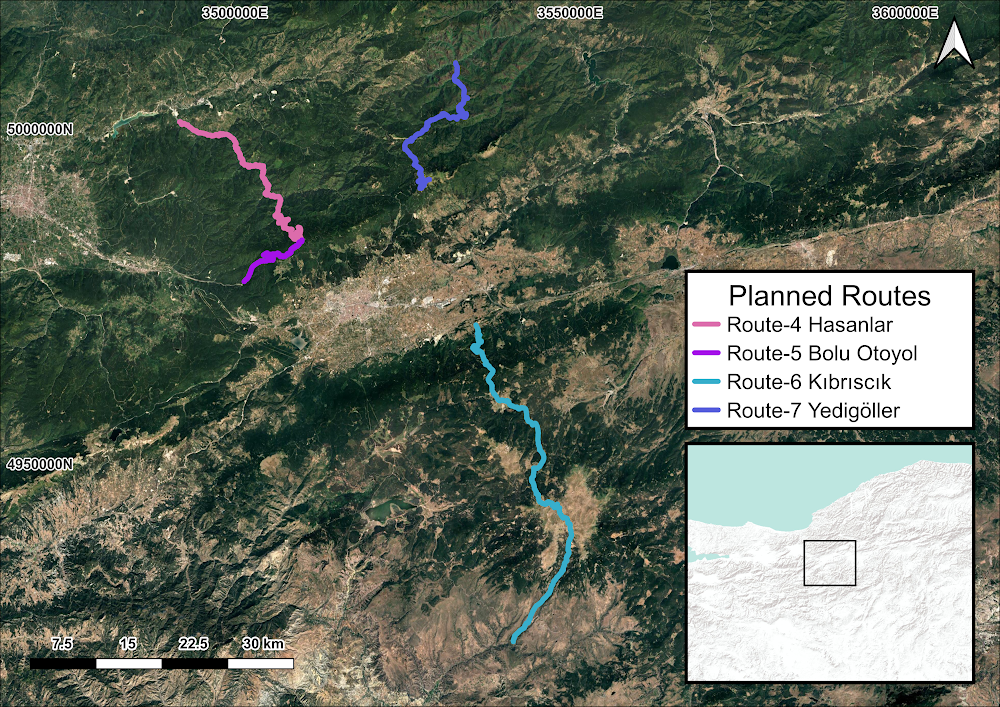
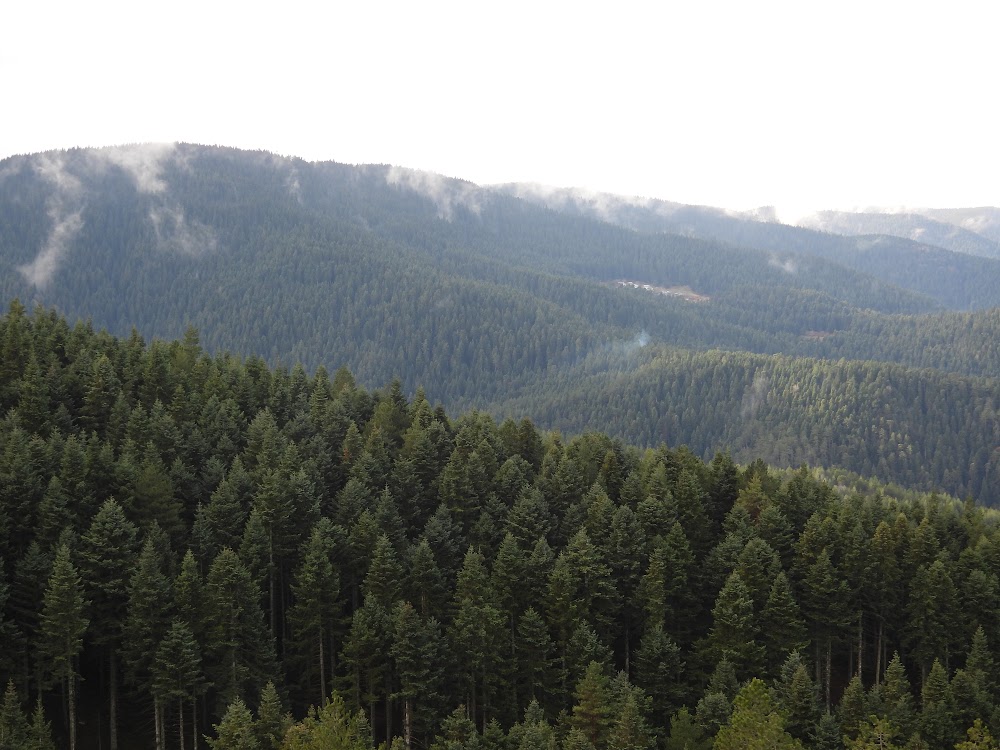
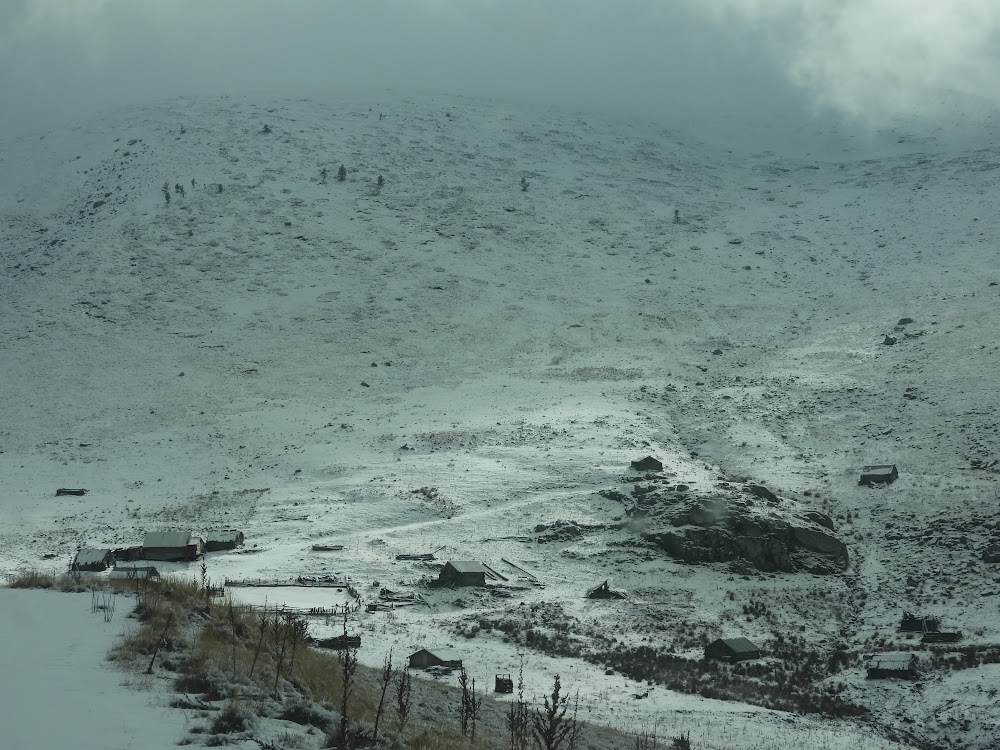
This project aims to predict the effects of climate change in mountainous areas, which represent some of the richest landscapes yet are most affected by climate change, and to lay the foundations of an effective biodiversity monitoring system. The objectives are to identify the diversity of insects, plants, mammals, and birds in the Niğde Aladağlar and Bolu Köroğlu Mountains using next-generation methods; to estimate the effects of climate change on community composition and species diversity using a space-for-time substitution approach; and to create a pioneering database for next-generation biodiversity data. Plant data will be collected via expert observations, bird and bat data by bioacoustic recordings, large mammal data by camera trapping, and insect data by DNA metabarcoding of samples collected using traps. Artificial intelligence and other new automated technological solutions will be used for species identification. The datasets will be stored in a newly designed database and comprehensively analyzed to reveal the interactions between climate and biodiversity. Find the complete summary here.
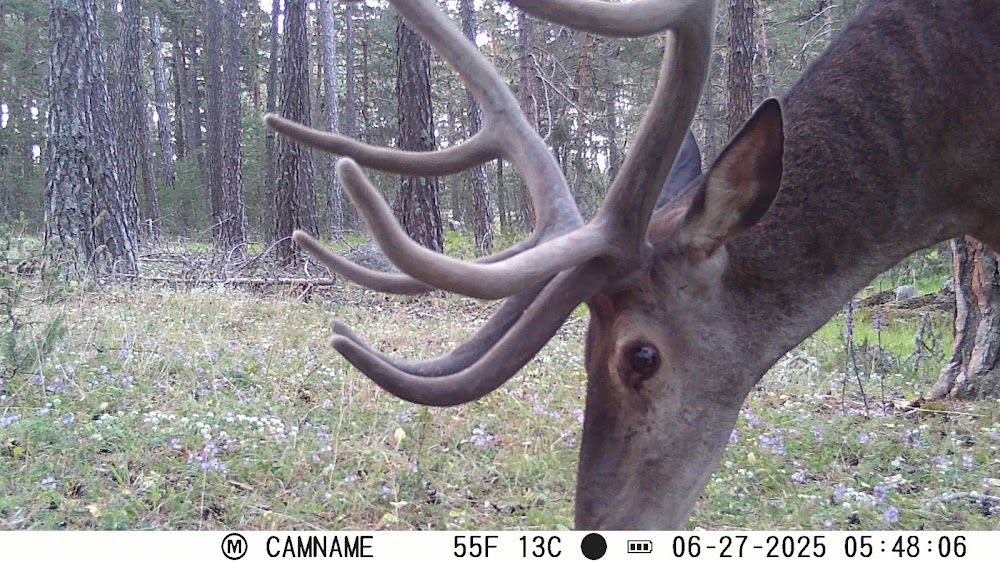
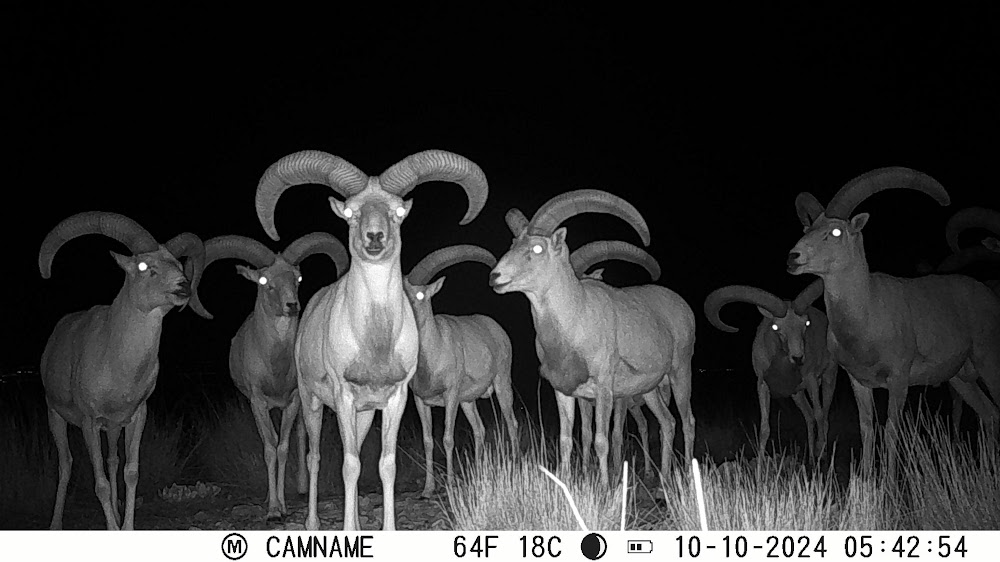
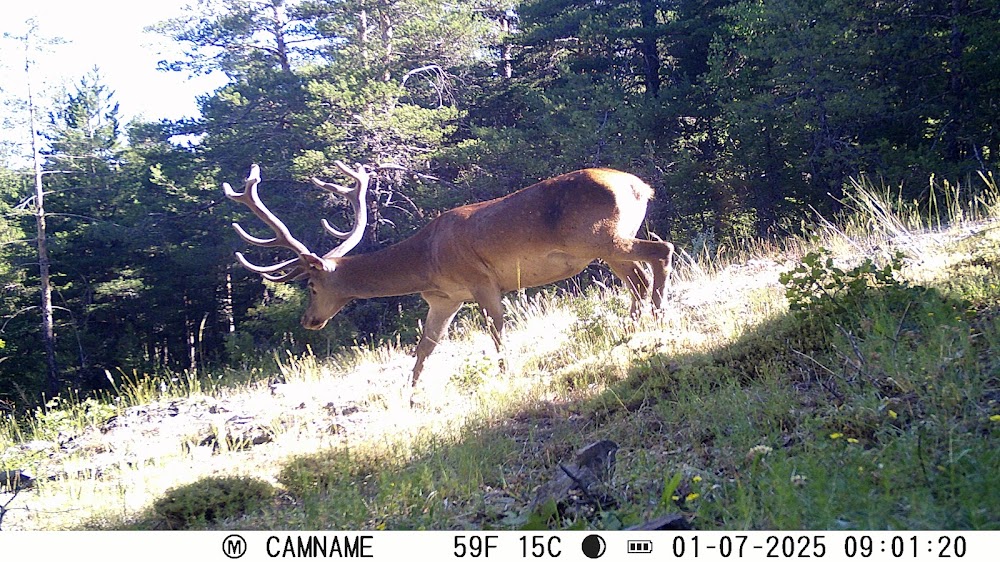
DETERMINATION OF THE DENSITIES OF THREATENED MOUFLON IN CENTRAL ANATOLIA AND RED DEER IN THE WESTERN BLACK SEA USING CAMERA TRAPS AND NEW ESTIMATION METHODS
Funder: TÜBİTAK 1001 Program Period: 2024–2026 Role of the group: Collaborator
One of the most critical issues in wildlife ecology and management is the reliable estimation of population densities. It is of great importance in our country, which is among the richest in terms of wildlife, that population inventories and monitoring studies are conducted using scientifically robust and accurate methods. The aim of this project is to apply Random Encounter Modeling (REM), a new method in wildlife inventory, in two different habitats (steppe and forest) to demonstrate and extend its use by the General Directorate of Nature Conservation and National Parks. The specific objective of the project is to determine the population density and size of the Wild Sheep (Ovis gmelini) and Red Deer (Cervus elaphus)—indicator species of these habitats and flagship species of Türkiye—in four different areas using the REM method. The project is led by Assoc. Prof. Dr. Hüseyin Ambarlı from Düzce University. Kemal Atakan Kavak from our group is conducting his MSc research as part of this project.
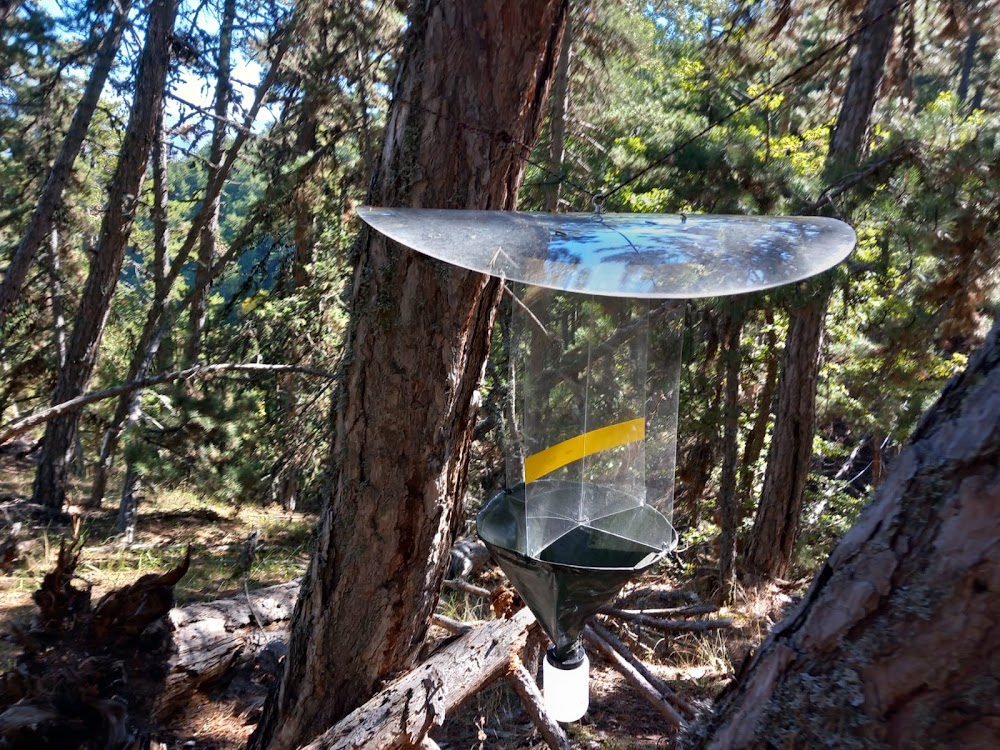
CONSEQUENCES OF GLOBAL BIODIVERSITY LOSS AND CLIMATE CHANGE FOR DECOMPOSER COMMUNITIES AND IMPLICATIONS FOR FOREST CARBON FLUXES
Funder: ERC Period: 2024–2027 Role: Collaborator
Click here for more information about this project.
BIODIVERSITY-INTEGRATED CARRYING CAPACITY ANALYSIS FOR SUSTAINABLE VISITOR MANAGEMENT: METU MAIN CAMPUS AND LAKE EYMIR
Funder: METU Scientific Research Projects Period: 2025–2026 Role: Collaborator
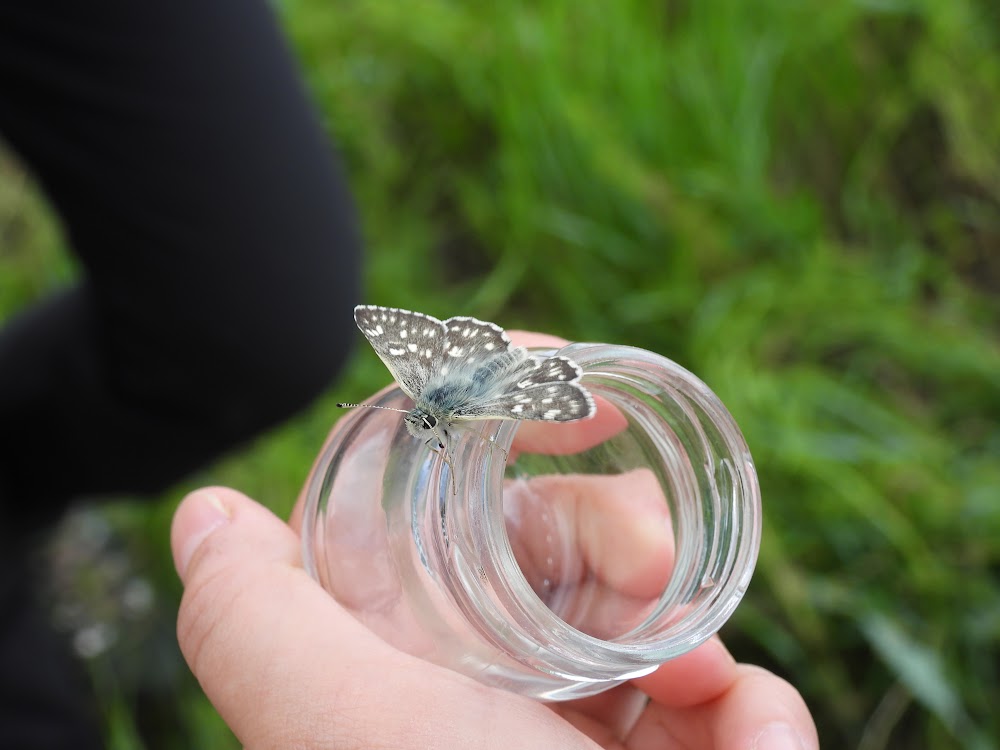
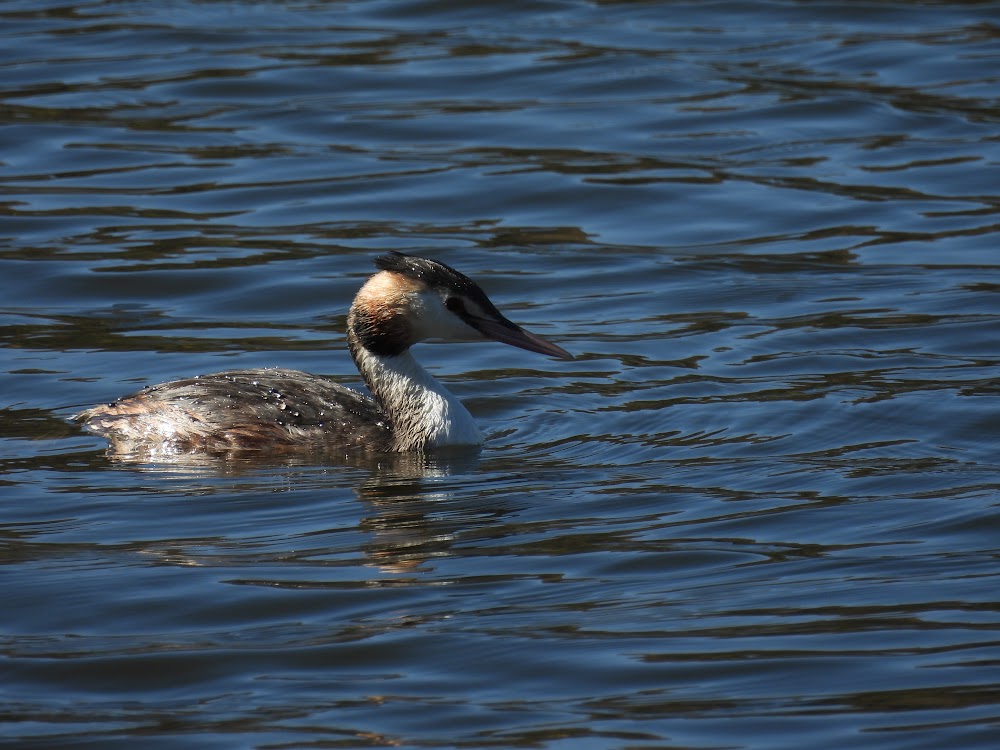
This project aims to conduct an integrated assessment and design process to ensure socio-ecological sustainability at the Middle East Technical University (METU) Main Campus and Lake Eymir—two sites rich in biodiversity yet vulnerable to human pressure. The project consists of three components: I) Determining the physical, social, and ecological carrying capacities for the METU Main Campus and Lake Eymir; II) Establishing an ecological database based on indicators such as birds and butterflies, and analyzing spatio-temporal changes; and III) Designing and implementing physical and digital information systems aimed at increasing user awareness. Historical and current data regarding bird and butterfly species will be systematically compiled, and the spatial distribution and temporal changes of these species will be analyzed. Didem Ambarlı and Selen Akçakoca from our research group will carry out the butterfly-related portion of the project. The project outcomes are expected to contribute directly to the university’s sustainability policies, strengthen the balance between conservation and usage, and serve as a model for national biodiversity monitoring strategies. For more information: https://ekosam.metu.edu.tr/tr/odtu-bap-merkez-odtu-tasima-kapasitesi-projesi