10th April 2026, 07.00 – 11.00 GMT via Zoom
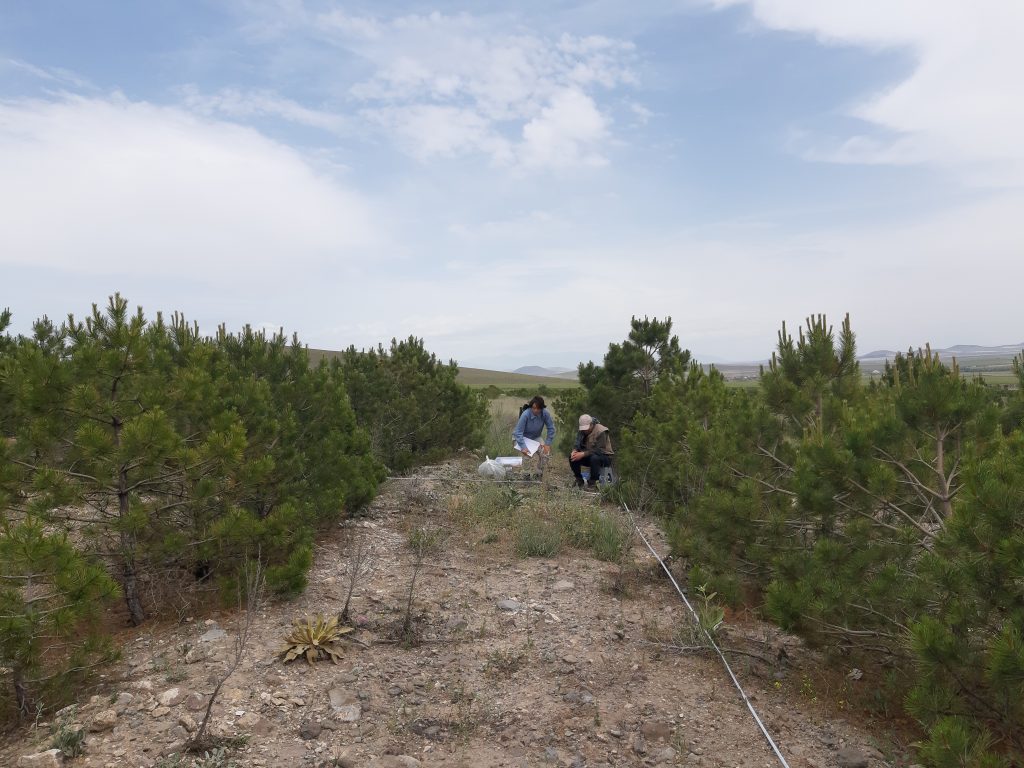
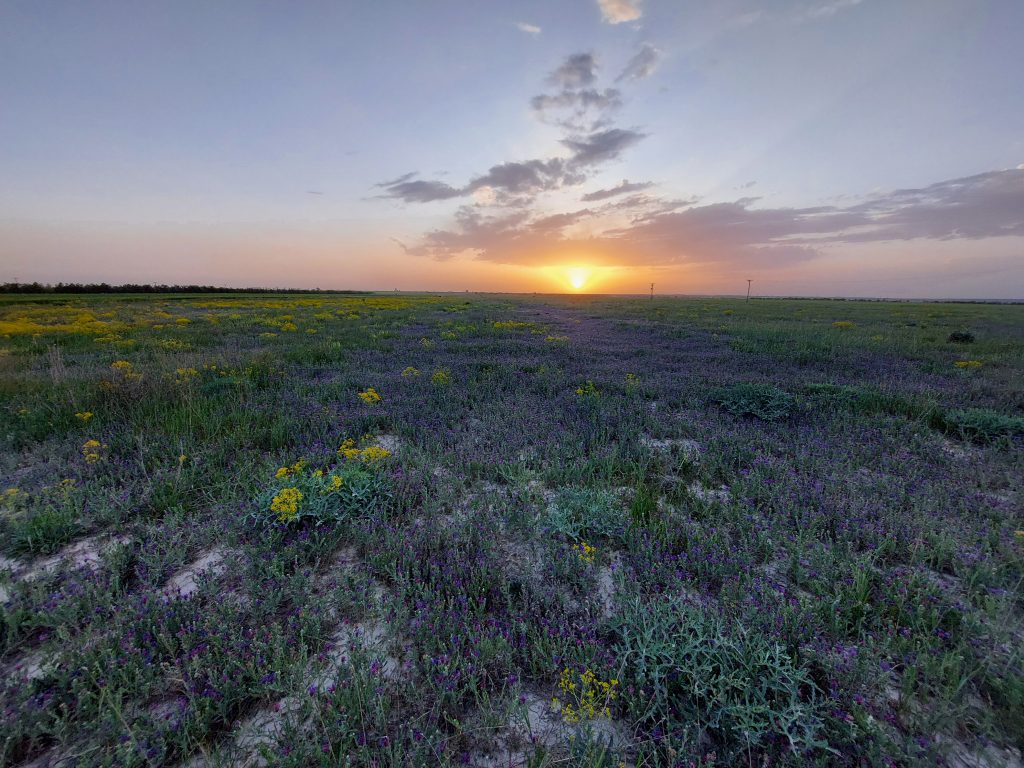
We are inviting researchers studying plantations on dry grasslands to join us to exchange knowledge on the effects of afforestation and to discuss how those activities can be more supportive for biodiversity.
Please register using the Google Form.
for further questions contact us via dambarli@metu.edu.tr or belce.uykusuz@gmail.com
The Terrestrial Ecology Research Group of the Middle East Technical University, in Ankara, Türkiye (METU) has been conducting biodiversity research on afforestation sites in central Anatolia since three years within the scope of a research project supported by the Turkish Research Council (Project no:123Z054). The aim of the project is to reveal the effects of dryland afforestation on biodiversity. So far we have conducted surveys on plants, butterflies, and birds in six afforestation areas; and estimated taxonomic and functional diversities at alpha, beta, and gamma levels, and analyzed data together with climatic, grazing, afforestation as well as landscape variables to reveal the effects of afforestation on taxonomic and functional diversity of different taxonomic groups at different spatial scales. We have found interesting and sometimes contradictory effects of afforestation. We’d like to share our findings with different research groups studying similar systems and look for collaboration opportunities.
The workshop
We are organizing this workshop to share our results and, more importantly, to foster a dialogue with other research groups working on similar themes. Our goal is to discuss diverse experiences and explore how afforestation practices can be designed to be more biodiversity-friendly. The workshop will be an online event on 10th April over Zoom. Due to time differences of countries involved in similar research, the event will start at 07.00 GMT and finish on 11.30 GMT. All researchers interested in the event can register using the Google Form.
The deadline for registration is 5th April. The zoom link will be sent to all registered participants.
The event will start with the introduction of the project and presentation of the results. Then we’d like the participants summarise their work on dry grassland plantations. If you are willing to make a 10-min presentation of your work, please mark the relevant choice during registration.
The detailed schedule of the event will be sent to participants on 6th April.
The Project: The effects of afforestation in arid lands on the diversity of plants, birds, and butterflies at different spatial levels
To mitigate the negative effects of erosion and climate change, afforestation work is carried out in the arid lands of the world. Although the positive effects on soil properties, carbon sequestration, and ground cover are known, its effects on biodiversity have not been comprehensively revealed.
The aim of this project aims to reveal the effects of dryland afforestation on biodiversity; specifically on taxonomic and functional diversity of plants, butterflies and birds. The project was funded by the Turkish Research Council 1001 Program for the period of 2024- 2026.
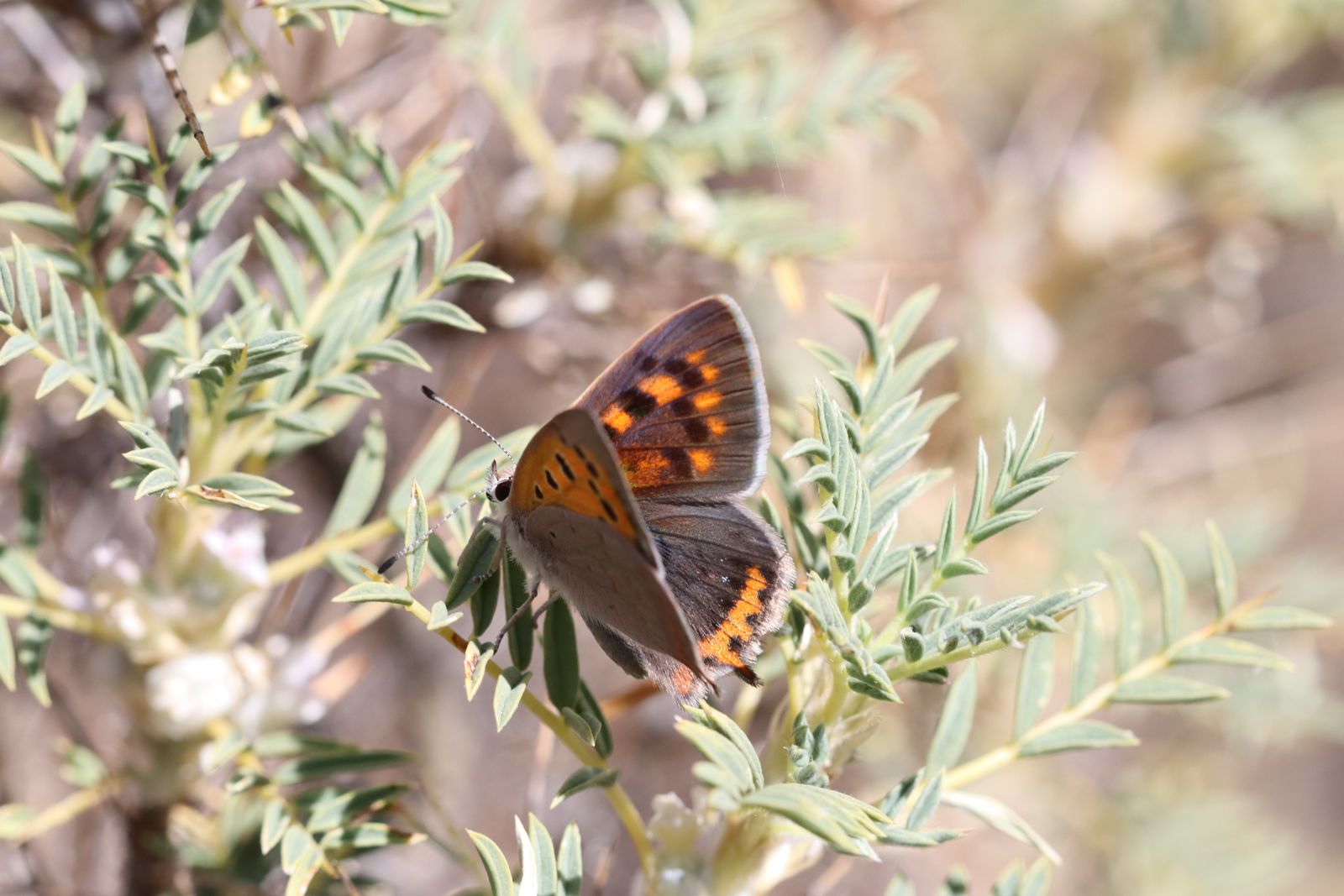
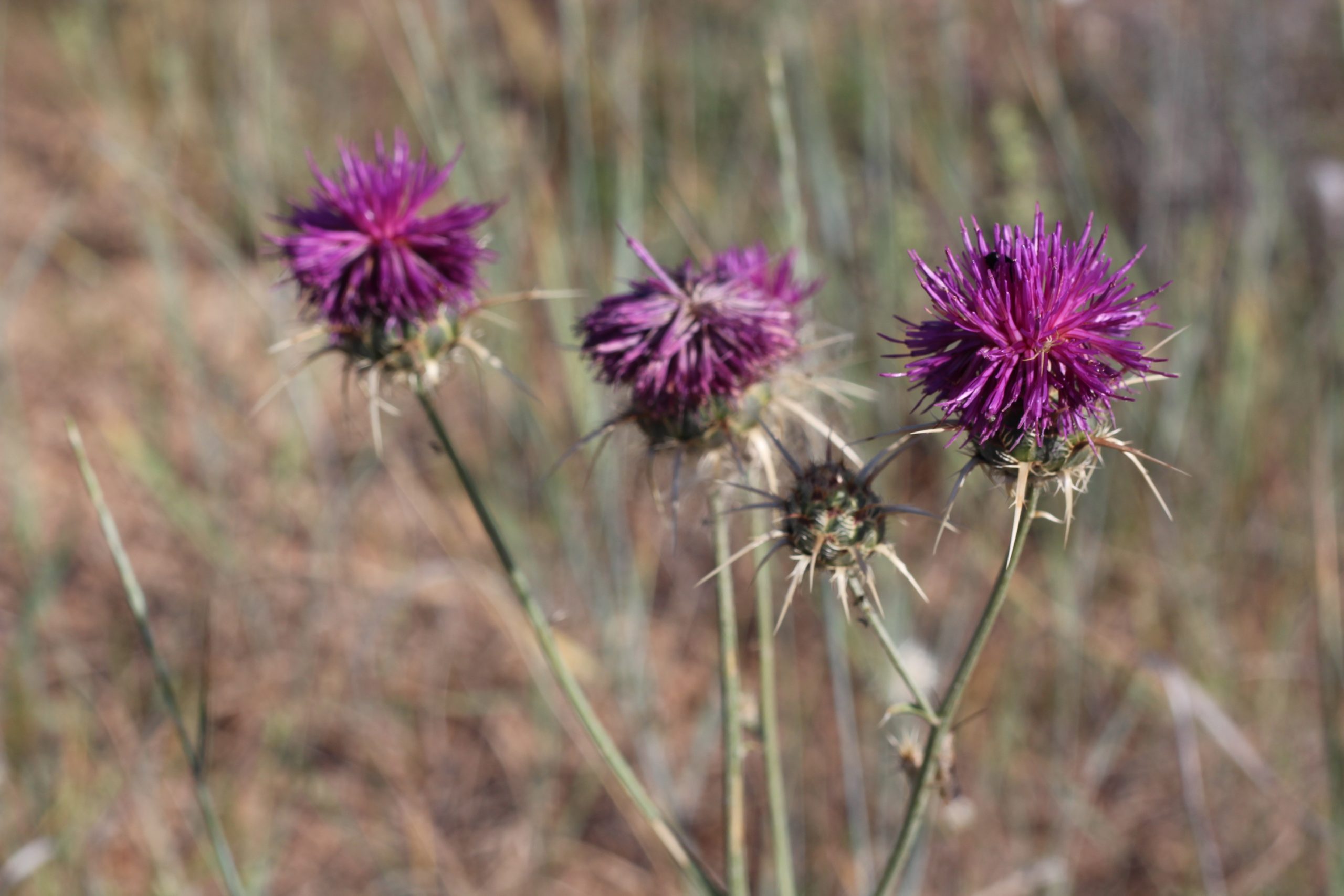
Butterfly and flower images from our field trips.
Biodiversity sampling was carried out in the first year’s growing season in 6 pairs of fields. In each field, three different sections representing 0-10, 11-25, and 25-50 age groups and one unforested (control) section were surveyed separately. Plant sampling was carried out, and soil samples were taken in 100 m2 plots. Butterfly counts were carried out once or twice a month with the Pollard walking method along fixed 250 m-long transects. Breeding bird counts were conducted by distance sampling method along the same transects. For each taxonomic group; alpha, beta, and gamma diversity were calculated per taxonomic group, both taxonomically and functionally. Currently, the datasets are being analyzed with many analysis methods, including ordination and generalized mixed-effect models. The outputs will guide arid-land afforestation around the world to better support biodiversity. It will contribute to the National Development Goals, Green Deal, Aichi Targets, United Nations Rio Convention, and the Paris Agreement.
The project team
The project is managed by The Terrestrial Ecology group lead by Assoc.Prof. Didem Ambarlı. The project team is composed of fourteen researchers: Didem Ambarlı from METU working on grassland ecology, Prof.Dr. Oktay Yıldız and Dr. Abdullah Hüseyin Dönmez from Düzce University with the expertise on soil ecology, Dr. Evrim Karaçetin from Erciyes University, and scholar Belce Uykusuz from METU working on butterfly ecology, Dr. İbrahim Kaan Özgencil, scholar Elif Çoban from METU and scholar Ömer Faruk Şahin from Hacettepe University working on bird ecology, Dr. Jelena Erdal, scholars Selen Akçakoca and Buse Kara from METU working on plant ecology, scholars Ilgın Ertan Gürol and Gencer Yaprak from METU working on GIS applications and Prof.Dr. Mecit Vural as botany consultant.
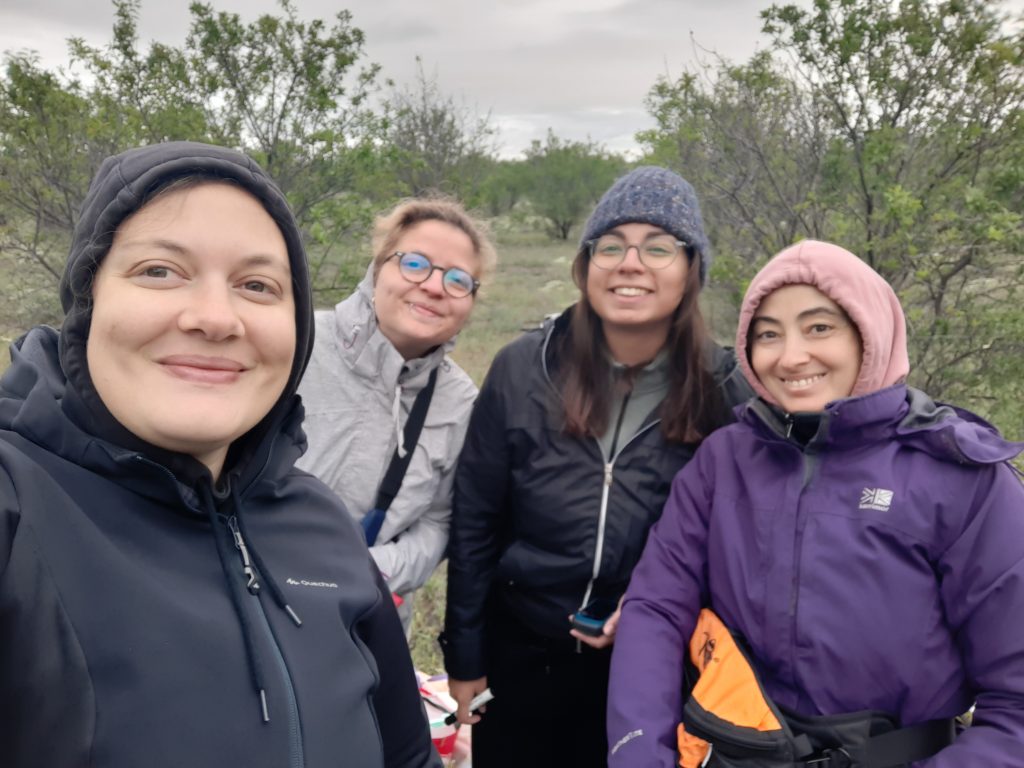
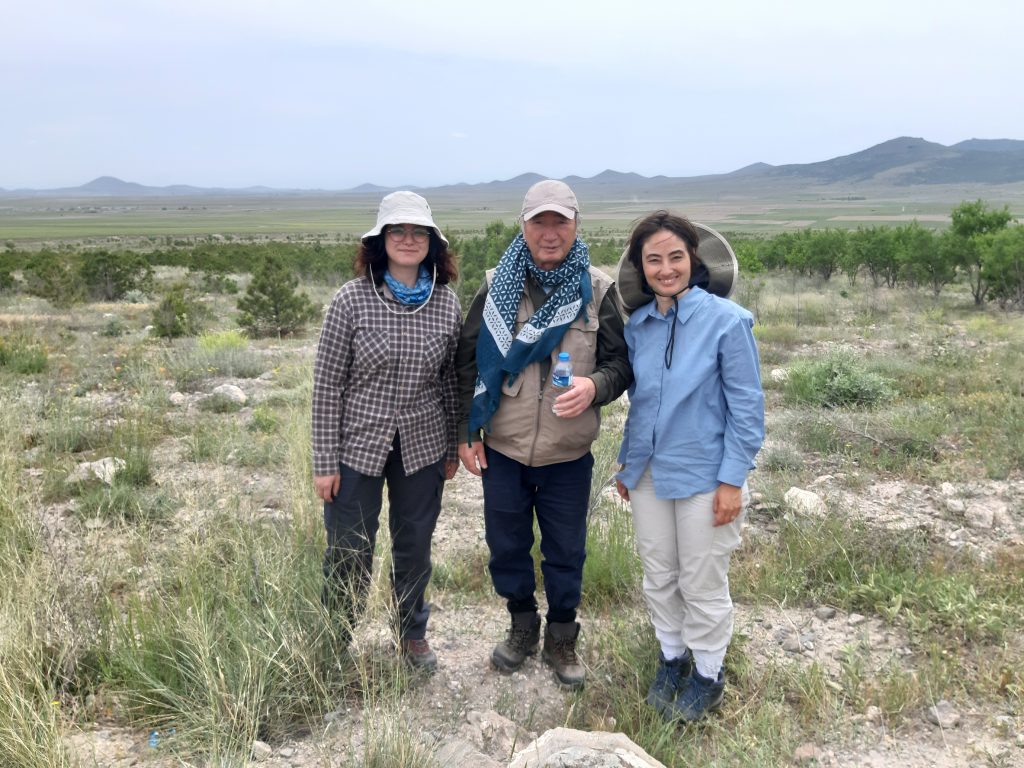
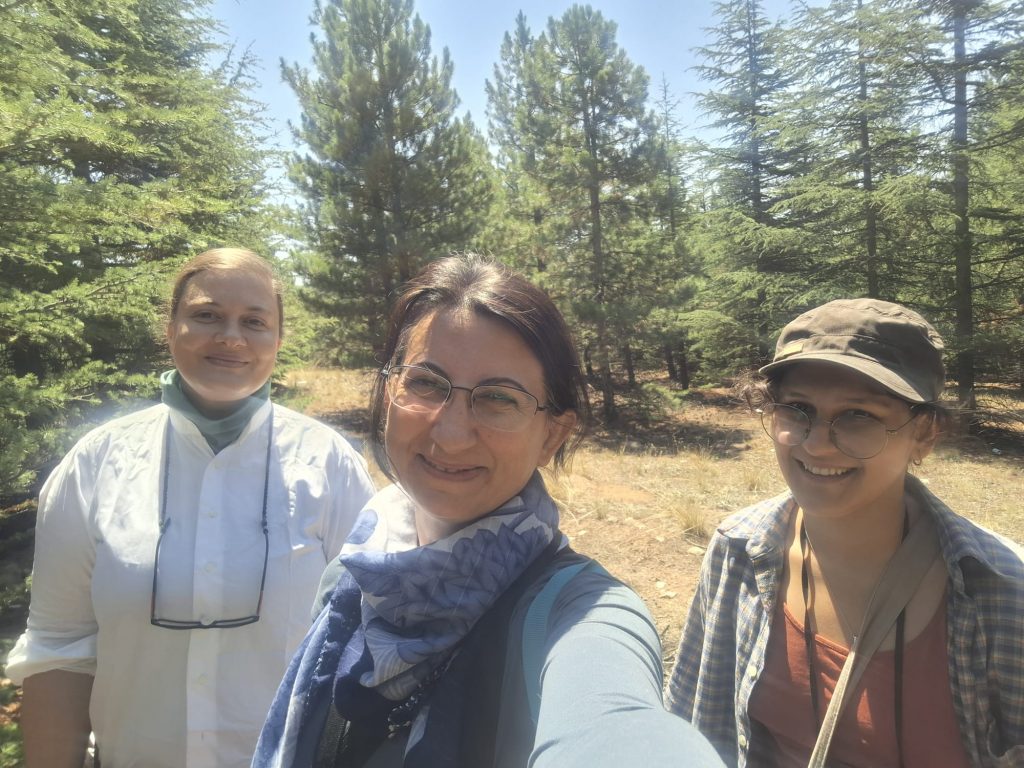
The plant and butterfly teams
The Terrestrial Ecology Research Group
The group was established in 2022 to conduct terrestrial ecology research with implications for nature conservation. The principle investigator is Didem Ambarlı. We study plants, birds, and insects to understand the effects of land-use practices such as grazing, afforestation, and forest management on biodiversity and ecosystem functioning. Among the tools we use are field surveys, multivariate statistics, GIS techniques, and questionnaires with land managers. Currently, there is a postdoc, three PhD students, and four MSc students working in the lab. Our current projects include biodiversity monitoring on mountains to estimate the effects of climate change, insect diversity patterns and insect contribution to decomposition, spatial and temporal patterns of bird diversity at different spatial scales, ecological niche modeling, community ecology, and conservation of dry grasslands, and the use of random encounter modeling to estimate the densities of large mammals.
Workshop Program
All times are in GMT. Please check your local time here: World Time Buddy
· 07:00 – 07:10: Welcome and Introduction to the project: The effects of afforestation in arid lands on the diversity of plants, birds and butterflies at different spatial levels.
· 07:10 – 07:30: Effects on Soils and Plant Diversity (Didem Ambarlı)
· 07:30 – 07:50: Effects on Bird and Butterfly Diversity (Evrim Karaçetin-Bell)
· 07:50 – 08:00: Short Comfort Break
· 08:00 – 08:20: A Billion Trees in Ukraine: Expectations and Reality (Anna Kuzemko)
· 08:20 – 08:35: Creating a Zero-Budget Native Forest (India) (Manojkumar I.B.)
· 08:35 – 09:15: Experience Exchange in Breakout Rooms & Group Summary
· 09:15 – 09:30: Closing Remarks