Research Topics:
The research conducted in our lab operates within a framework defined by the interactions between biodiversity, ecosystem functioning, and land use. We are interested in both direct interactions and indirect effects mediated by abiotic parameters across various spatial scales. Below are the primary research areas of our lab:
Spatial and Temporal Patterns of Biodiversity in Relation to Global Change
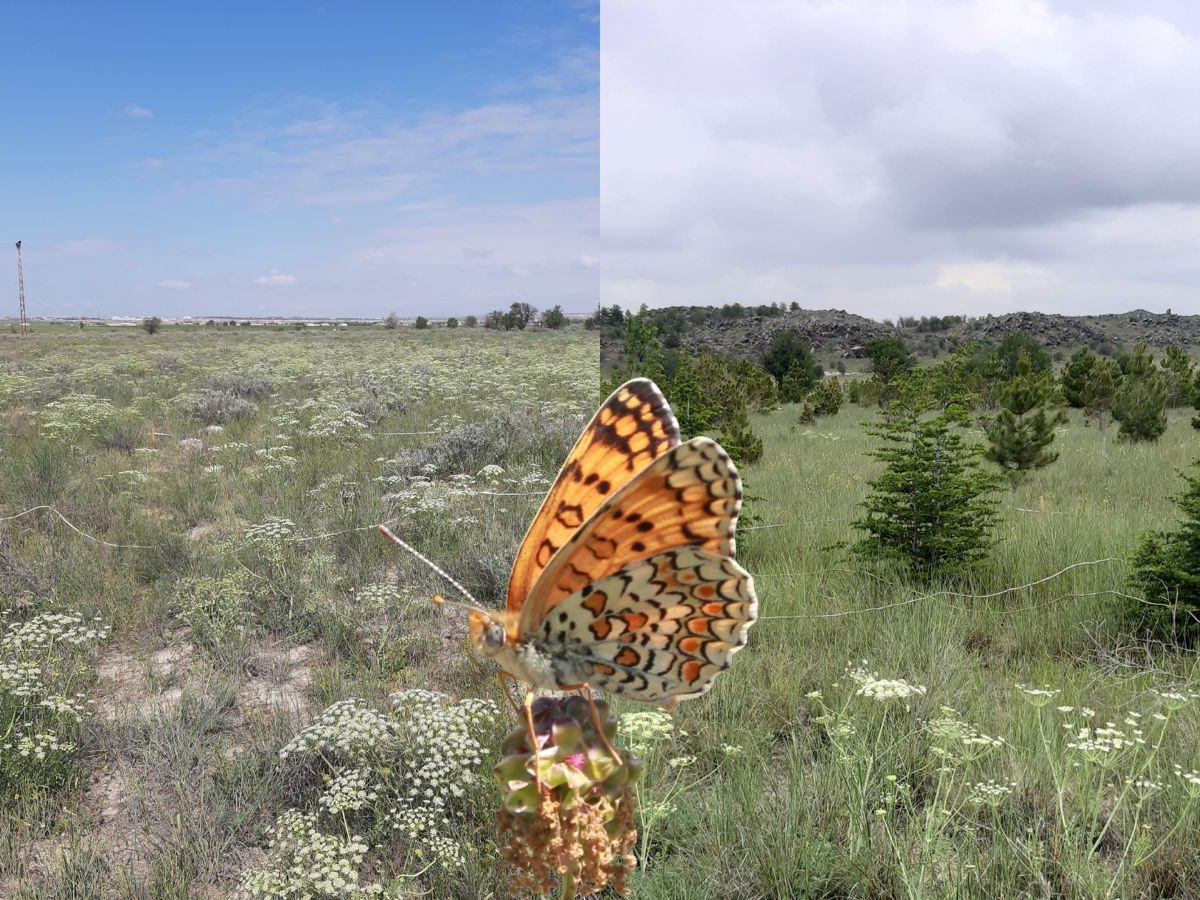
Climate change and land-use change are the two major drivers of biodiversity loss and reorganization. We conduct research to understand how communities respond to shifts in land use, such as afforestation, grazing, and forest management. Understanding temporal changes in butterfly communities is another core subject of our lab. Currently, we are focusing on the METU campus, a prime butterfly area hosting nearly 100 species.
Biodiversity Monitoring
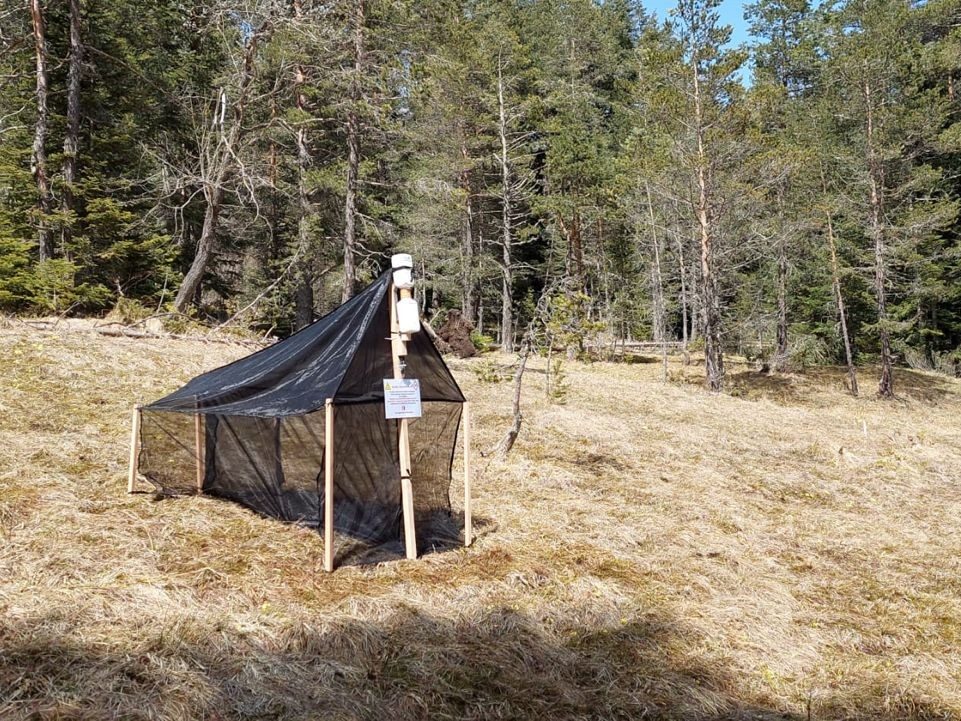
Documenting the temporal patterns of biodiversity requires long-term monitoring using standardized methods. Most existing studies are concentrated in tropical regions, Europe, and the USA, leaving large data gaps in several global biodiversity hotspots. To fill a critical gap, we are designing and implementing the initial steps for biodiversity monitoring within the Anatolian Biodiversity Hotspots. All of our surveys are designed to allow for future re-visits and long-term data consistency. Additionally, we have an ongoing project in the Bolu Mountains where we implement monitoring that enables the estimation of future climate change effects by integrating a space-for-time substitution approach.
Functional Ecology
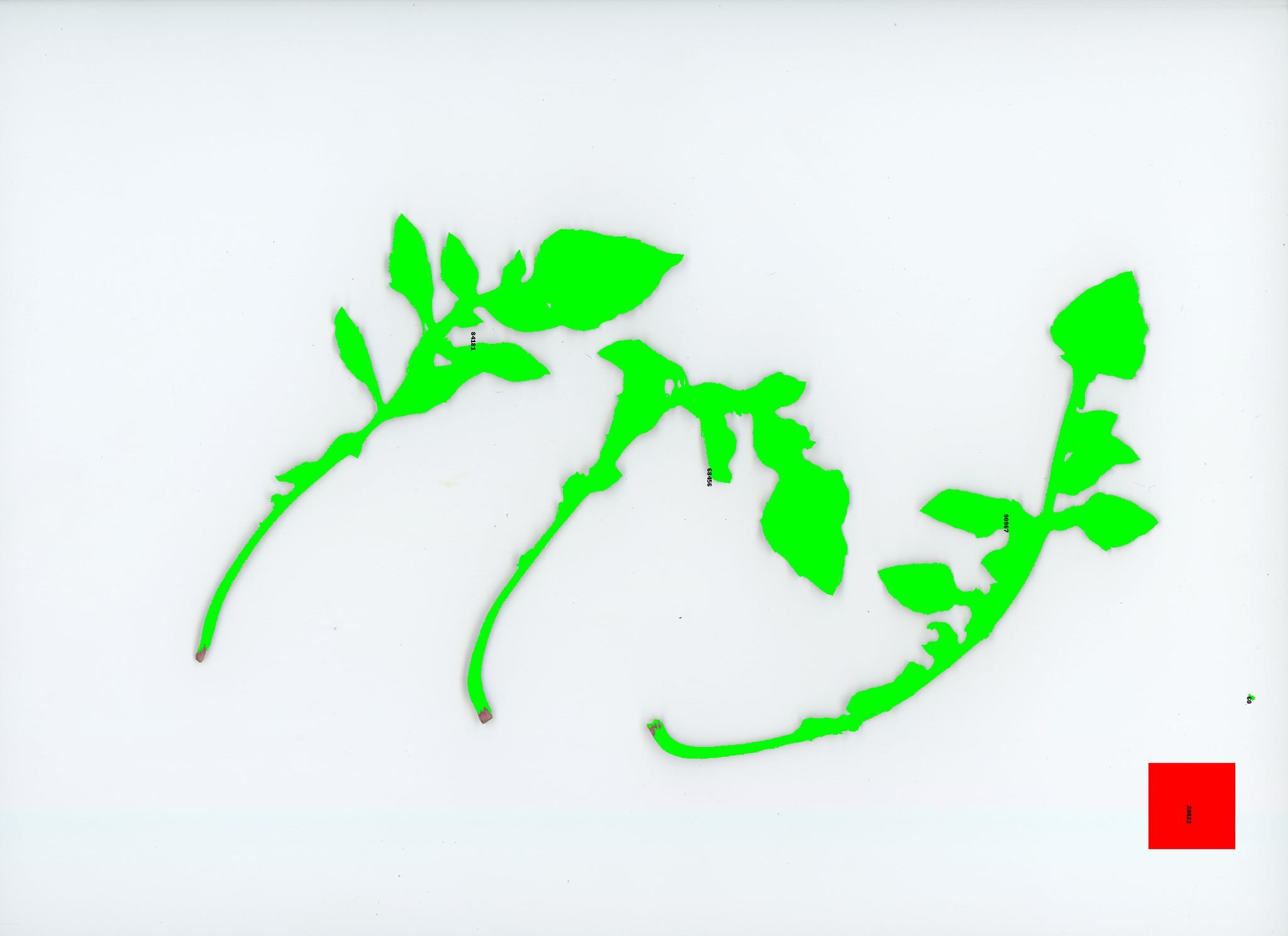
One of the key facets of biodiversity is functional diversity, which represents the diversity of life strategies, ecological processes, and ecosystem services provided by species within communities. Although the taxonomic diversity of a site may remain stable for years, the functional diversity can shift significantly in response to species turnover. In several projects, we focus on both the taxonomic and functional diversity of various groups, including plants, birds, and butterflies. Please visit our [Projects page] for more information.
Ecological Niche Modeling (ENM)
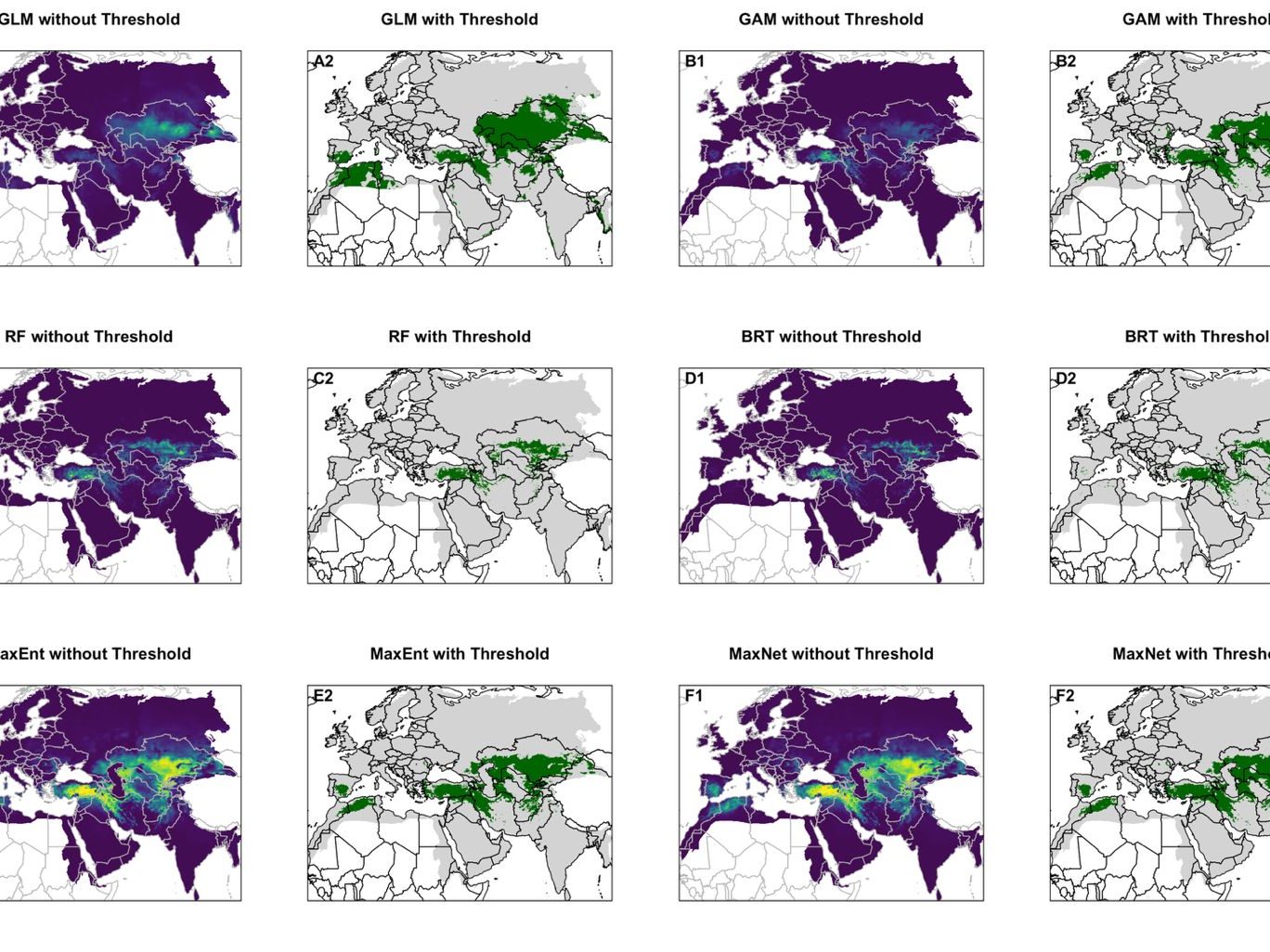
Ecological niche modeling is a vital tool for understanding the habitat requirements of species and how they respond to changes across several dimensions of their niche. It also allows us to estimate species’ responses to future climatic and land-use changes. Recently, a thesis study has been completedon the ENM of the Bimaculated Lark, an indicator species of steppe ecosystems.
Wildlife Conservation
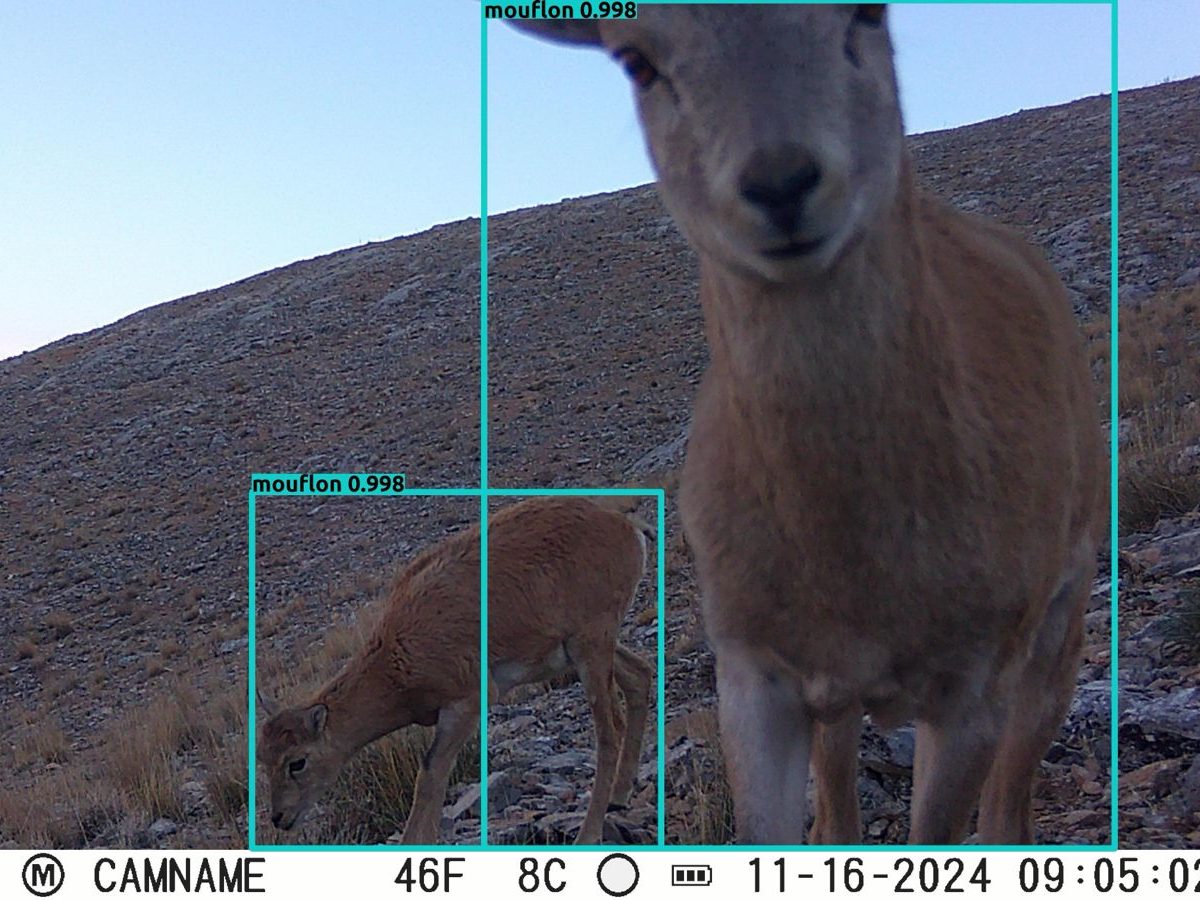
Several charismatic large mammal species act as keystone species yet remain threatened due to habitat destruction and unsustainable hunting activities. Estimating population densities and sizes for large grazers and carnivores reliably is essential for effective conservation and management planning. Currently, we are working on a new methodology—the Random Encounter Model (REM)—to estimate the population densities of the Anatolian Mouflon in steppes and Red Deer in forests. Please visit our [Projects page] for more information.
Landscape Ecology
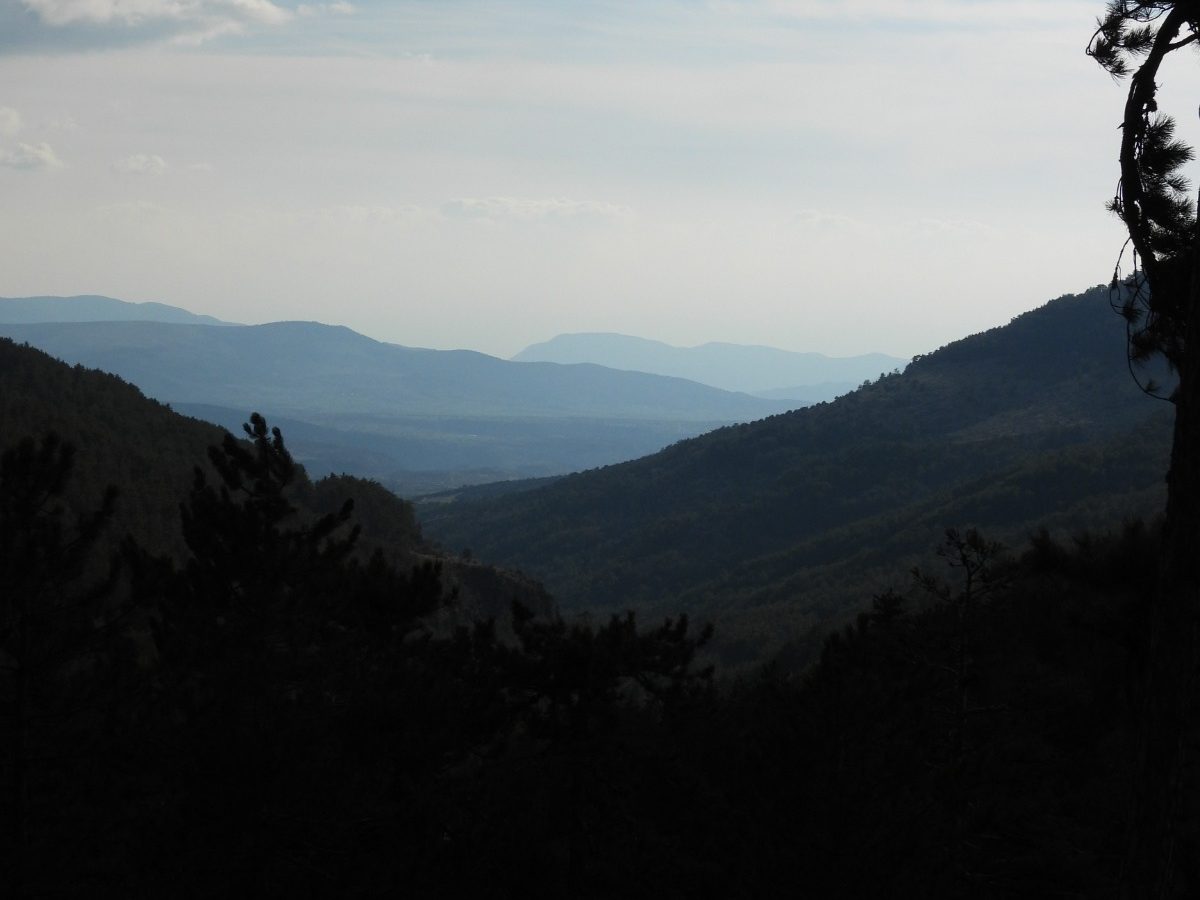
Landscape-scale factors play a major role in local biodiversity patterns and changes. Therefore, it is crucial to document landscape configurations and treat them as potential drivers of biodiversity change. In most of our projects, we incorporate landscape-scale variables such as landscape composition, landscape diversity, and land cover types surrounding our survey sites.
Vegetation Ecology
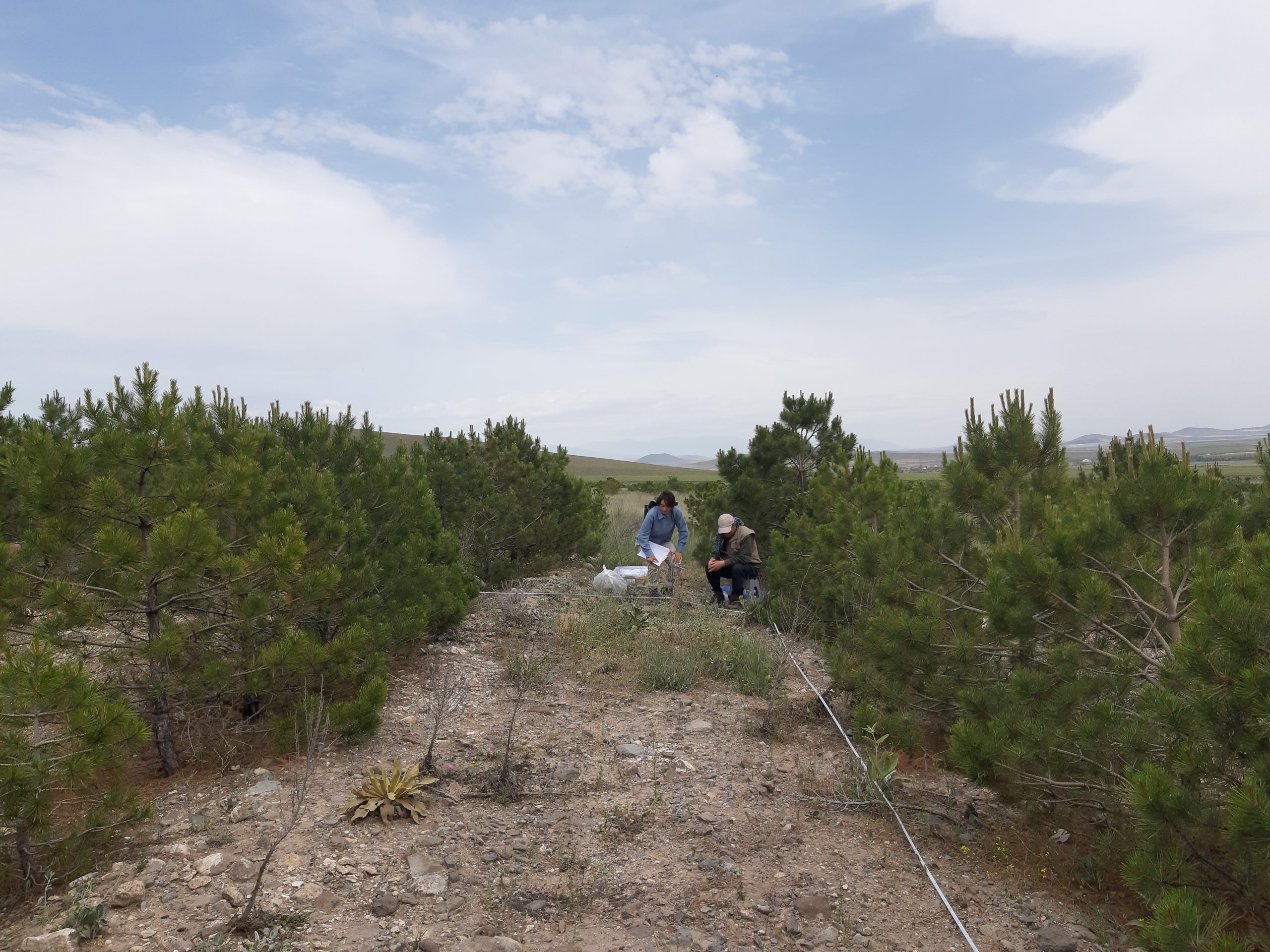
Vegetation forms the basis of primary production in terrestrial systems. Therefore, it is important to understand the diversity of plant communities as well as their spatial and temporal patterns. We are particularly interested in the dry grassland communities of Anatolia and Eurasia. Recently, we published a manuscript regarding the saline communities of the Konya Closed Basin.
Urban Ecology
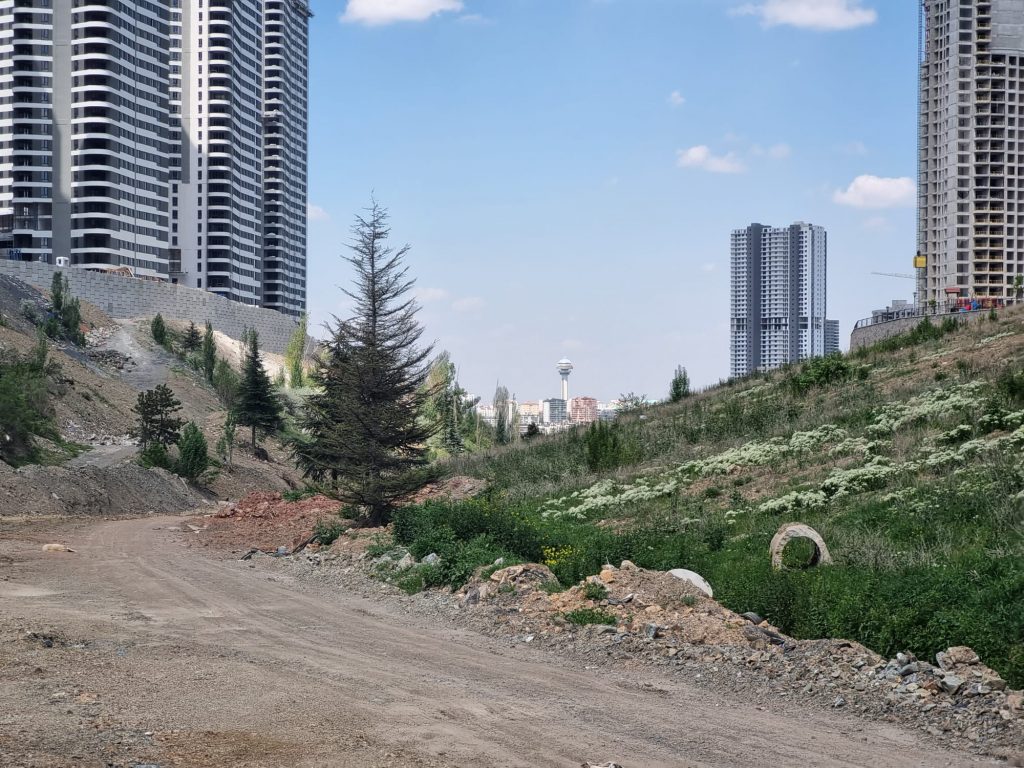
As urban areas expand globally, biodiversity conservation within urban ecosystems is becoming a major goal for developing sustainable cities. Urban ecological systems are complex environments where human-built structures coexist with natural elements. In these ecosystems, various land-use patterns significantly affect biodiversity. We currently have an ongoing study to reveal the effects of different land-use types on the functional and taxonomical diversity of plant communities in Ankara’s city center.